

Blog
How to Make Weed Oil (Beginner-Friendly, Potent, and Versatile)
Weed oil—also called cannabis oil or infused oil—is one of the most useful DIY staples. You can cook with it, add it to capsules, rub a small amount into sore spots, or fold it into gummies and chocolates. This guide walks you through three reliable ways to make weed oil at home: a classic flower infusion, a concentrate-based shortcut, and a quick blend using ready-made extracts. You’ll also get dosing math, storage tips, and troubleshooting so your batch turns out exactly how you want.
Educational note: This is general information only. Follow local laws and use common sense when working with heat and cannabinoids.
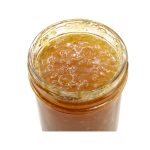
A fresh batch of homemade cannabis oil—golden, clear, and ready for dosing.

First, choose your infusion style
There’s no single “right” way to make weed oil. Your best method depends on what you have on hand, how much time you want to spend, and how precise you need the potency to be.
-
Classic decarbed-flower infusion
Best for people who want to use whole flower and keep the full plant profile. It’s inexpensive, forgiving, and scales easily. -
Concentrate shortcut (distillate, RSO, honey oil, rosin, live resin)
Fast, clean, and repeatable. If you prefer a neutral flavor or need accurate dosing, start with a refined extract. You can buy pre-metered syringes of distillate like So High Premium Distillate (link), therapeutic RSO (link), or classic Honey Oil (link). -
Blend-and-go with ready tinctures or isolates
If you’d rather skip heating altogether, you can merge store-bought tinctures into your own carrier oil or adjust the ratio with CBD Isolate (link) or CBD Distillate (link). You can also start from a flavor-forward tincture like Hawaiian Haze Live Resin Tincture 1000 mg (link) or a THC Relax Tincture 1000 mg (link) and customize from there.
What carrier oil should I use?
-
MCT oil (fractionated coconut oil): Neutral taste, stays liquid in the fridge, excellent cannabinoid absorption. Great for sublingual drops and capsules.
-
Olive oil: Tasty for cooking and dressings, heat-stable, heart-healthy.
-
Avocado oil: Neutral, very high smoke point if you plan to sauté.
-
Ghee/coconut oil (virgin): Solid at room temp; perfect for baking and salves.
Any food-grade oil works. If you plan to use the oil sublingually, MCT is easiest to dose.
Gear you need (for any method)
-
Small saucepan, Mason jar, or double boiler (a slow cooker or sous-vide wand is even better).
-
Thermometer that reads 160–250°F (71–121°C).
-
Fine mesh strainer + cheesecloth or a nut-milk bag (for flower method).
-
Dark glass bottle or jar for storage.
-
Optional: Sunflower lecithin (½ tsp per cup of oil) to improve consistency and emulsification in recipes.
Method A: Decarbed-Flower Infusion
This is the classic, budget-friendly route that preserves the plant’s broader cannabinoid/terpene spectrum.
Step 1: Decarb your flower
Raw cannabis mainly contains THCA/CBDA. Decarboxylation converts them into THC/CBD. Break buds into popcorn pieces (don’t powder yet), spread on parchment, and bake at 240°F (115°C) for 40–45 minutes, stirring once halfway. Let it cool fully before infusing.
Want a full walkthrough and visuals? See our guide on how to decarb your weed (use the same method you trust).
Step 2: Choose your ratio
Common starting point: 1 cup oil + 7 grams decarbed flower. For a stronger oil, go up to 10–14 g per cup; for a micro-dose oil, use 3.5–5 g per cup.
Step 3: Gently infuse
-
Combine decarbed flower and oil in a Mason jar.
-
Place the sealed jar into a water bath (sous-vide at 180°F / 82°C is ideal) for 2–3 hours. If using a saucepan or slow cooker, keep the oil temperature 160–190°F (71–88°C) and stir occasionally.
-
Avoid boiling; excessive heat cooks off aromatics.
Step 4: Strain and bottle
Strain through a lined mesh into a clean jar, pressing lightly to recover oil (don’t squeeze too hard or you’ll push sediment through). Stir in sunflower lecithin while warm if you’re using it. Label your jar with date, strain, and estimated potency (see dosing math below).
Method B: Concentrate Shortcut (Fast, Potent, Precise)
If you want reliable potency with virtually no plant taste, start with a measured extract. Three great choices:
-
THC Distillate Syringes—neutral taste, easy heat-and-blend (So High Premium Distillate).
-
RSO—full-extract oil used for high-potency wellness routines (RSO).
-
Honey Oil—classic solvent extract with strong effect and character (Honey Oil).
How to blend
-
Warm your carrier oil to 120–140°F (49–60°C) in a small glass jar.
-
Loosen the concentrate by standing the syringe or sealed container in a cup of hot (not boiling) water for a few minutes.
-
Dispense your target amount of concentrate into the warm oil and stir until fully dissolved.
-
Optional: add a few drops of terpene-rich tincture like Hawaiian Haze Live Resin Tincture for flavor layering (link).
Why this method rules
-
No straining mess.
-
Potency is easy to calculate from the label (e.g., a 1-gram syringe at ~90% THC contains ~900 mg THC total).
-
Flavor is cleaner, especially with distillate.
Method C: Blend Readymade Extracts (No Heat)
If you already use tinctures but want a different strength or a custom THC:CBD ratio, mix:
-
A measured volume of THC tincture like Relax 1000 mg (link)
-
A measured volume of CBD Distillate (link) or CBD Isolate (link) dissolved into MCT
-
Top up with plain MCT to hit your target concentration
Gently swirl to combine; no heating required.
Dosing math (simple and flexible)
Two quick formulas to keep you on track:
If you used flower
-
-
Estimate total THC in the flower (mg):
grams × THC% × 1000
Example:7 g × 0.20 × 1000 = 1400 mg THC. -
Apply home-infusion efficiency (use ~75%):
1400 mg × 0.75 = 1050 mgends up in the oil. -
Get potency per mL:
mg in oil ÷ total mL of oil
Example (1 cup = 240 mL):1050 ÷ 240 = 4.375 mg/mL(≈ 4.4 mg/mL). -
Convert to teaspoons (5 mL):
mg/mL × 5→4.375 × 5 = 21.875 mg(≈ 22 mg per tsp).
Quick tweak math:
-
For ½ cup (120 mL):
1050 ÷ 120 = 8.75 mg/mL→ ≈ 43.8 mg per tsp. -
For ¾ cup (180 mL):
1050 ÷ 180 = 5.83 mg/mL→ ≈ 29.2 mg per tsp.
Tip: If your lab THC% is unknown, assume 15–18% for mids or 20–24% for stronger flower and note the estimate on your label.
-
If you used concentrate
Most distillate syringes list potency. A 1-gram syringe at 90% THC contains 900 mg THC. If you dissolve that into 90 mL oil, you get 10 mg/mL, or 50 mg per teaspoon. Adjust volumes to match your preferred dose.
Flavor upgrades and targeted blends
-
Add CBD for balance. To smooth out a racy THC strain, blend in CBD Distillate (link) or a raw-flavour CBD tincture 1000 mg (link).
-
Lean terpene-forward. Add a few drops of a live-resin tincture (Hawaiian Haze) to lift aroma without making the oil harsh.
-
Infuse with culinary herbs. During the last 30 minutes of a flower infusion, toss in orange peel, rosemary, or vanilla bean for culinary uses.
Safe temperatures = better oil
Cannabinoids are durable, but terpenes are delicate. Keep oil below 200°F (93°C) whenever possible. If you’re using a double boiler, sous-vide, or a slow cooker set on “low,” you’re in the safe zone. Avoid open flames and never heat sealed containers in a microwave.
Straining tips (flower method)
-
Chill the jar for 10 minutes before straining; sediments settle and you’ll get a clearer oil.
-
Use a nut-milk bag for speed, then finish through a coffee filter if you want a polish.
-
Don’t wring the bag too hard; that releases fine particles and chlorophyll.
Storage and shelf life
-
Dark glass, airtight, cool is the rule.
-
Fridge storage extends freshness to 3–6 months; the freezer can stretch it to a year (MCT and olive oil don’t fully solidify).
-
Label with date, method, carrier oil, and estimated mg per mL so you can reproduce wins later.
How to use your weed oil
-
Sublingual: 0.25–1 mL under the tongue for 60–90 seconds, then swallow.
-
Capsules: Fill size-00 gel caps with your oil (store cold).
-
Baking: Swap part of the butter/oil in brownies or cookies. Keep oven temps ≤ 350°F (177°C).
-
Savory: Drizzle on warm pasta, whisk into vinaigrettes, or finish roasted veggies.
-
Topical: Mix with beeswax and a few drops of essential oil to make a salve.
If you want to start with premium extracts for a more “connoisseur” base, you can explore live resin options (e.g., Blueberry Live Resin grams for blending, link) or craft rosin and fold a measured amount into MCT for a solventless infusion (Frozen Grapes Hash Rosin 1 g).
Troubleshooting
My oil tastes too “green.”
Use a lower infusion temperature next time, shorten the cook, or switch to distillate (link) for a cleaner flavor. You can also blend in a flavorful tincture (Relax THC 1000 mg) to mask earthiness.
It’s not strong enough.
Either increase flower per cup next batch, extend infusion 30–45 minutes, or warm the finished oil and dissolve in a measured amount of RSO (link) or Honey Oil (link). Recalculate mg/mL.
It’s too strong.
Dilute with more carrier oil and update your label. If you’re sensitive to THC, add a measured amount of CBD Distillate (link) to round out the effect.
The oil separated in my recipe.
Whisk in a small amount of sunflower lecithin and reheat gently to emulsify, or stick to baked goods where separation isn’t an issue.
Sample recipes (with dose math)
Everyday MCT Drops (about 10 mg/mL)
-
90 mL MCT oil
-
1 g THC distillate at ~90% (≈ 900 mg THC)
Warm the MCT to 120–140°F, dissolve the distillate, and bottle. That yields ~10 mg per mL (about 5 mg per 0.5 mL dropper). For a 1:1 blend, add 900 mg CBD via CBD Distillate (link) and top up MCT to your desired concentration.

Amber bottles protect your weed oil from light and help preserve potency.
Robust Full-Spectrum Olive Oil
-
240 mL extra virgin olive oil
-
10 g decarbed flower (18–22% THC)
-
½ tsp sunflower lecithin
Infuse in a sous-vide jar at 180°F for 3 hours. Expect ~7–9 mg/mL (depending on strain and efficiency). Great for salad dressings and low-heat sautés.
Wellness-Focused Night Oil
-
60 mL MCT
-
0.5 g RSO (estimate 70% THC unless labeled otherwise)
-
Optional: 300–600 mg CBD via Raw-flavour CBD tincture (link))
Warm, blend, and label. Dose 0.25–0.5 mL as needed.
Safety reminders
-
Keep oils away from children and pets. Consider child-resistant caps.
-
Start low and increase slowly; edibles can take 60–120 minutes to peak.
-
If you cook with infused oil, remember that high heat (> 350°F) can degrade cannabinoids and terpenes—use your oil to finish rather than fry.
Final thoughts
Making weed oil at home is easy once you pick a method. If you love the ritual and the full-plant character, go with the decarbed-flower infusion. If you prefer precision and speed, use a concentrate shortcut with distillate (link), RSO (link), or Honey Oil (link). Want to customize on the fly? Fold in CBD Isolate (link) or a terpene-rich live-resin tincture (link).
Label your jar, track your math, and you’ll be able to recreate the perfect batch—whether you’re cooking dinner, prepping capsules, or crafting gifts for friends who appreciate a well-made infusion.
 Bulk Extracts